

Frankfort, Kentucky, August 4, 2025
News Summary
In a significant decision reflecting public sentiment, Kentucky voters overwhelmingly rejected Amendment 2, which aimed to eliminate barriers against school choice funding. With 65.1% of the electorate opposed, the amendment faced defeat across all counties, illustrating a strong preference for preserving the existing public school funding model. Advocates for school choice expressed frustration, while concerns about potential funding cuts to public education dominated the discourse surrounding the amendment’s implications. Governor Beshear remains against expanding school choice options amidst ongoing debates about educational policy in the state.
Frankfort, Kentucky – Kentucky Voters Reject Amendment 2, Maintaining Public School Funding Exclusivity in Recent Ballot Measure
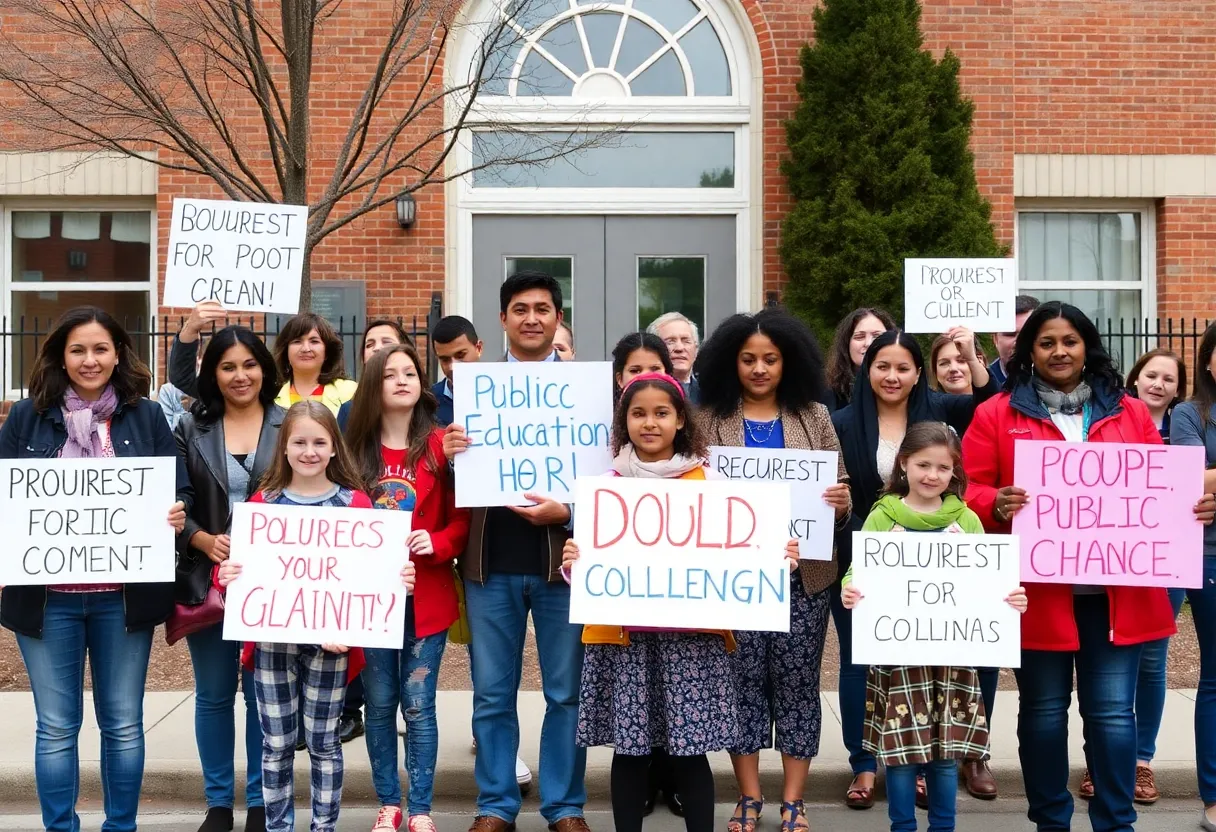
Kentucky voters decisively rejected Amendment 2, which sought to eliminate constitutional barriers against school choice in the state. The amendment was voted down, with 65.1% of voters opposing it and only 34.9% supporting it. This decision reflects a strong consensus against altering the current public school funding system, as the amendment lost in all 120 counties.
The proposed amendment was designed to initiate discussions within the state legislature regarding educational alternatives such as tax credit scholarships and education savings accounts. These initiatives aimed to expand opportunities for families in Kentucky to access private schooling options. Kentucky currently ranks low in terms of K-12 school choice, having historically limited such options for families.
A recent federal budget reconciliation bill included a new provision for a federal tax credit that supports private donations to scholarship programs. These programs aim to provide students with access to a broader array of educational services and opportunities. However, for Kentucky residents to benefit from this new federal program, the state legislature must choose to opt-in.
Despite this potential opportunity for expanded educational choices, Governor Beshear is expected to oppose the implementation of such school choice options. His administration has exhibited a pattern of resistance to providing alternatives for low-income families. This environment has left many advocates for school choice feeling frustrated and disheartened.
Opponents of Amendment 2 pointed to fears of significant funding cuts to public education and job losses for teachers, which may have contributed to the voter rejection of the proposal. The Kentucky Supreme Court has previously ruled that public funds must be allocated to “common schools,” which it has interpreted strictly to mean public institutions only.
Support for Amendment 2 came from figures like Republican U.S. Senator Rand Paul, who posited that school choice can benefit every child. Conversely, Lieutenant Governor Jacqueline Coleman emphasized concerns regarding the potential inadequacy of vouchers, arguing that they would not cover the total cost of private school tuition, thus limiting options for families who need them most.
In a related matter, the Pulaski County Schools board recently reached a $30,000 settlement with Corey DeAngelis, who filed a lawsuit against the district for First Amendment violations. The lawsuit stemmed from claims of censorship regarding his public criticisms of Amendment 2. Although the district did not admit liability as part of the settlement, it agreed to provide training on open records laws and First Amendment rights to its communications staff within the next year.
The ongoing debate surrounding Amendment 2 highlights the conflicting perspectives about the future direction of education policy in Kentucky. State legislation concerning the use of social media by public school officials continues to evolve, as efforts are made to clarify the obligations and boundaries of communication between educators and the public.
FAQ
What was Amendment 2 in Kentucky?
Amendment 2 aimed to eliminate constitutional barriers that prevent school choice options in Kentucky, allowing for discussions on policies like tax credit scholarships and education savings accounts.
What percentage of voters rejected Amendment 2?
The amendment was defeated with 65.1% of voters voting against it and 34.9% in favor.
Why do some people support school choice options?
Supporters, including politicians like Senator Rand Paul, argue that school choice can benefit all children by providing more educational options and opportunities, especially for those in low-income families.
What were the concerns of the opposition to Amendment 2?
Opponents, including the Lieutenant Governor, expressed concerns that vouchers would not cover the full cost of private school tuition, potentially limiting access for families who need financial assistance.
Key Features of Amendment 2
| Feature | Description |
|---|---|
| Purpose | To remove barriers against school choice in Kentucky. |
| Public Reaction | Defeated with 65.1% voting against and 34.9% voting in favor. |
| Support | Backed by some politicians, reflecting a push for school choice. |
| Opposition Concerns | Fear of funding cuts to public schools and inadequate coverage by vouchers. |
Deeper Dive: News & Info About This Topic
HERE Resources
Bowling Green Hosts Record-Breaking Annual Stuff The Bus Event
Community Comes Together for Stuff The Bus Event
Jordan Allen Impresses on The Voice
Chloe Witcher and Noah Rager Shine at Bluegrass Golf Tour
Kentucky Bill Could Enhance WKU’s Research Doctoral Programs
Beloved Community Leader Temple Taylor Ward Passes Away
NMSU Aggies Eliminate from Conference USA Tournament
Proposed Federal Budget Cuts Could Impact Medicaid in Kentucky
Holly Whittinghill Receives Pathfinder Award for Student Guidance
Bowling Green Celebrates Local Athletes on Signing Day
Additional Resources
- Kentucky.com: Amendment 2 Overview
- LEX18: Kentucky Voters and School Choice
- WHAS11: Amendment 2 Results
- AP News: Kentucky School Choice Election
- Wikipedia: School Choice