
Bowling Green, July 24, 2025
News Summary
Bowling Green recently held a town hall meeting at Western Kentucky University, featuring Governor Andy Beshear and experts discussing the future of universal preschool in Kentucky. The initiative aims to improve early childhood education accessibility. Attendees raised concerns about existing challenges and the need for stronger publicly funded programs. The Pre-K for All advisory committee is collecting public feedback to refine offerings. Advocates stressed the economic impact of accessible preschool for families, especially single parents. Future town halls are planned to continue the discussion.
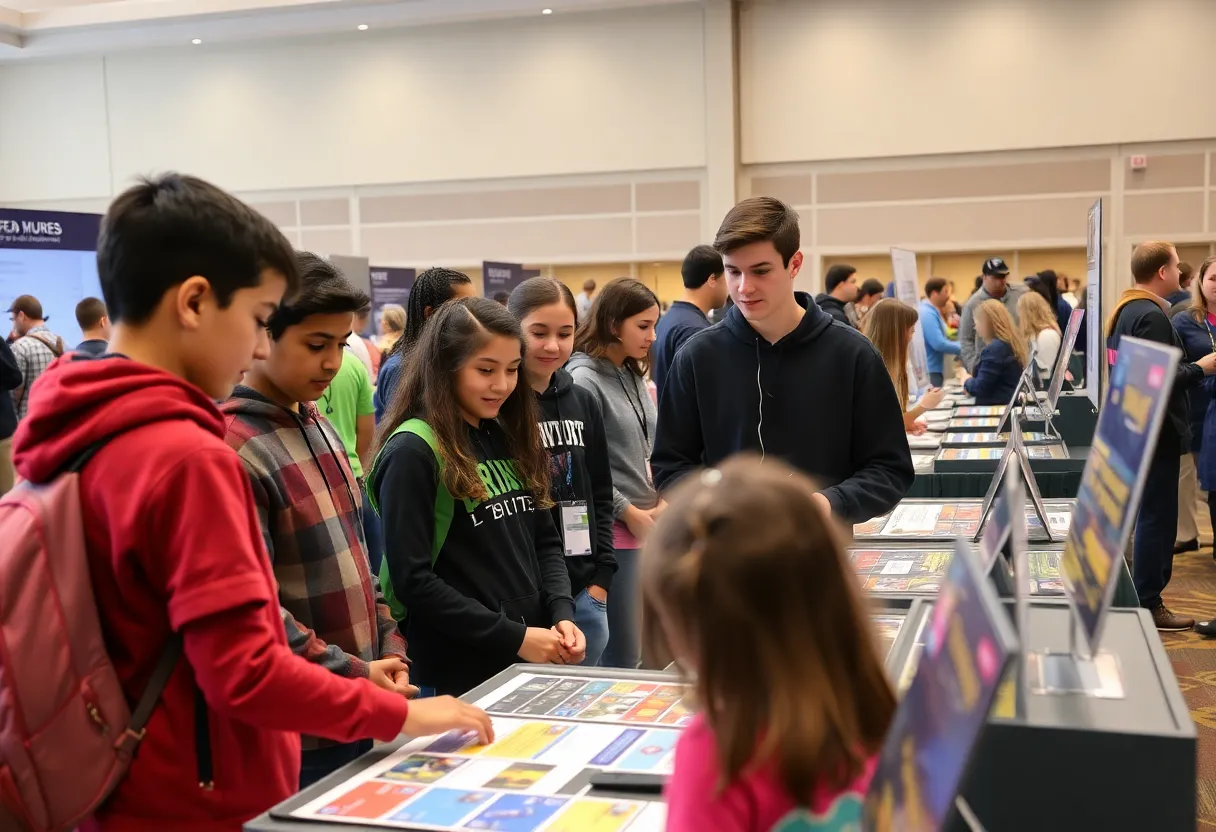
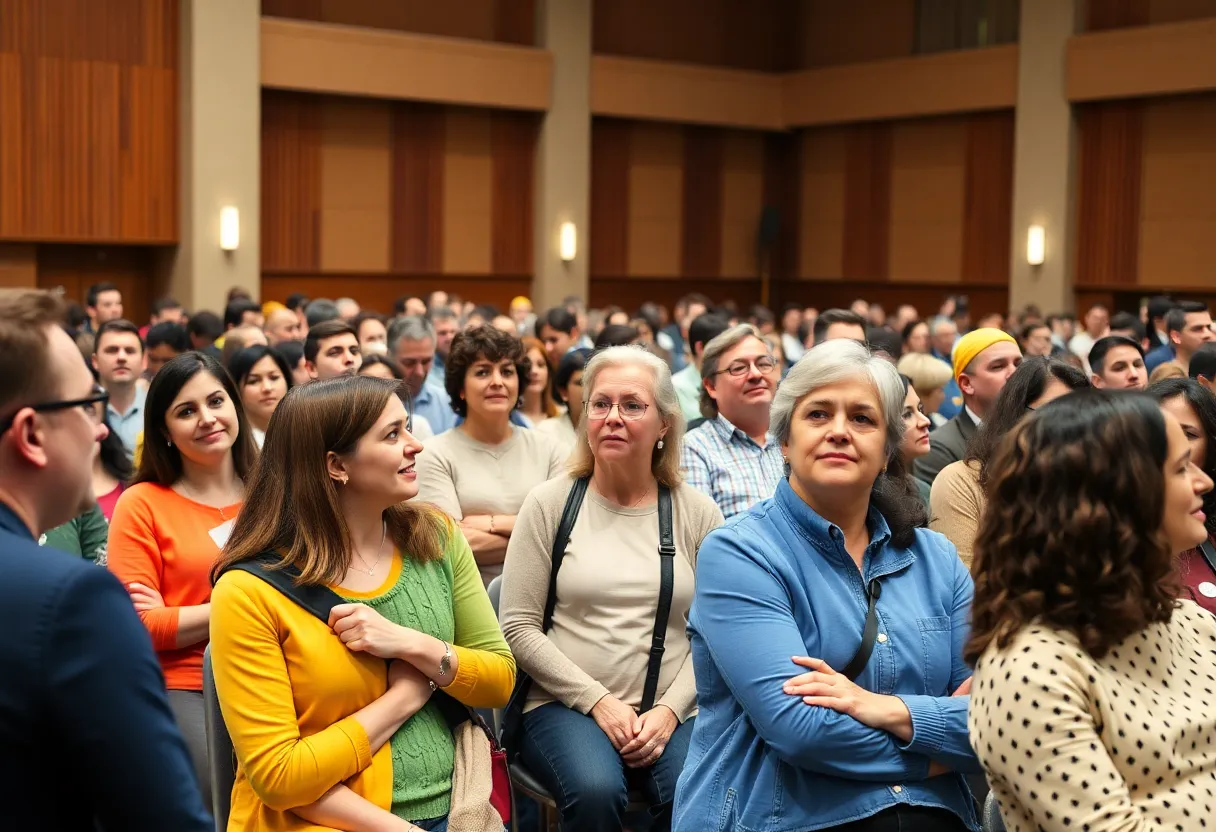
Bowling Green recently hosted a town hall meeting on the campus of Western Kentucky University (WKU), where Governor Andy Beshear and a panel of experts gathered to discuss the future of universal preschool in Kentucky. This initiative aims to enhance early childhood education accessibility for every child across the state.
Dr. Tracey Young, who is the Director of Grants and Community Outreach for Warren County Public Schools, stressed the importance of universal preschool and ensuring its availability to every child. The meeting served as a platform for Governor Beshear’s Pre-K for All advisory committee, which is collecting public feedback on the future of early childhood education in Kentucky.
Attendees included educators and healthcare professionals from various regions, such as Owensboro and Murray. Many participants discussed existing challenges and the need for stronger, publicly funded early education programs. Warren County Early Learning Academy principal, Stephanie Paynter, raised concerns about the academy’s current capacity to serve only 500 students, which pales in comparison to the rising demand for preschool education.
Former state representative and current WKU professor, Patti Minter, emphasized the unique services offered by public preschool programs compared to those provided by private institutions. Minter’s observations reflected a broader consensus on the need for a robust public preschool system to fulfill the needs of Kentucky’s children and families.
LaDonna Rogers, the vice president of human resources at TJ Regional Health, highlighted how access to preschool is critical for single parents who wish to further their education and contribute to the workforce. This underscores how early childhood education plays a significant role in the economic landscape of Kentucky.
As a primary goal, the Pre-K for All advisory committee intends to gather insights from these town hall discussions to refine future offerings for universal preschool. The initiative’s executive director, Sam Flynn, noted that neighboring states have successfully expanded preschool access and are thus more competitive in attracting families and businesses.
Moving forward, additional town halls are scheduled for locations such as Morehead and the Kentucky State Fair. Historical context reveals that the Family Enrichment Center in Bowling Green has provided a crisis drop-off program since 1977, which includes free care for children aged 6 months to 5 years during family emergencies. This initiative allows children to receive meals and a secure environment at critical times.
The socioeconomic landscape shows that around 20% of children in Warren County live in poverty and experience food insecurity, as indicated by the 2024 KIDS COUNT County Data Book. Rising childcare expenses have made access to early education increasingly challenging for many families, with the average annual cost of childcare in Kentucky reaching $8,756.
The state’s Child Care Assistance Program (CCAP) has been a lifeline for about 35,000 children in 2023, covering roughly 21% of available childcare slots. However, Governor Beshear’s concerns over the situation reveal that 79 out of 120 Kentucky counties are classified as childcare deserts. Following the loss of COVID-19 relief funding, the state’s childcare industry has suffered, resulting in higher costs and reduced services.
Advocates for universal preschool emphasize that childcare should be viewed through the lens of economic development, as accessible and high-quality childcare directly influences workforce readiness and educational outcomes.
FAQ
What is the goal of Governor Beshear’s universal preschool initiative?
The initiative aims to make preschool accessible to every child in the state of Kentucky, improving early childhood education and overall workforce readiness.
What challenges are currently faced in early childhood education in Kentucky?
There is a significant demand for preschool that exceeds current capacity, with many areas identified as childcare deserts. Additionally, rising childcare costs and limited public program offerings contribute to the challenges.
How has poverty impacted children’s access to preschool services in Warren County?
Approximately 20% of children in Warren County live in poverty, which fuels the need for universal preschool services to ensure that all children can access quality education and support.
Key Features of the Universal Preschool Initiative
| Feature | Description |
|---|---|
| Accessibility | Aims to provide preschool for every child, regardless of economic background. |
| Public vs. Private Services | Focuses on enhancing public preschool offerings, as they provide unique services compared to private programs. |
| Community Feedback | Collecting public input to refine future programs through town hall meetings. |
| Economic Impact | Addresses childcare as an economic issue that affects workforce readiness and the overall economy. |
Deeper Dive: News & Info About This Topic
HERE Resources
Growing Movement for Universal Preschool in Kentucky
Additional Resources
- WNKY: Pre-K Town Hall in Bowling Green
- Wikipedia: Early Childhood Education
- Fox 56 News: Gov. Beshear’s Pre-K Promise
- Google Search: Universal Preschool Kentucky
- WKDZ Radio: Universal Pre-K Push
- Encyclopedia Britannica: Education
- Spectrum News: Beshear’s Pre-K Plan
- Google News: Kentucky Child Care Assistance Program