

Bowling Green, KY, October 10, 2025
News Summary
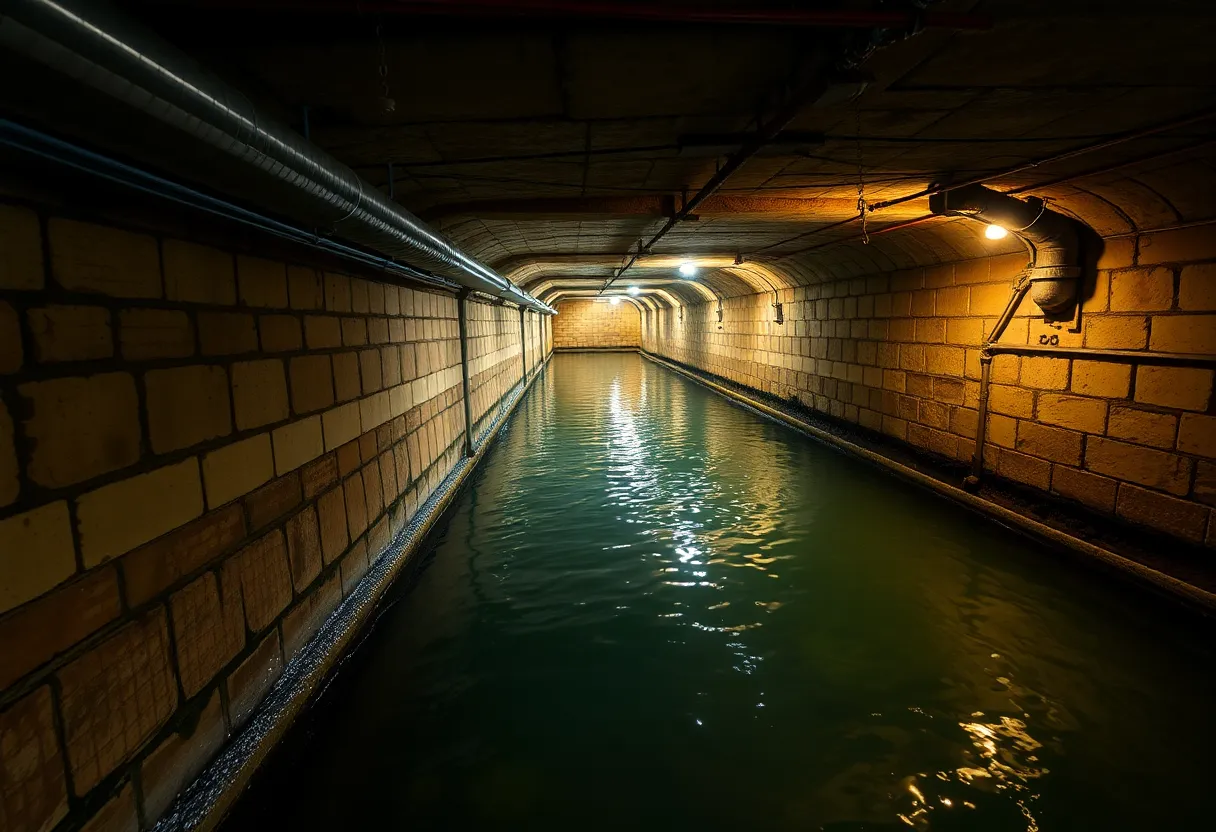
Whiskey Run, an underground waterway in Bowling Green, has a rich history as a part of the city’s sewer system, originally derived from natural caves. Notoriously used by bootleggers during Prohibition, it facilitated the illegal transport of alcohol and organized crime activities. In 1957, an unusual cash flow linked to an unsolved bank robbery further highlighted its intriguing past. Today, Whiskey Run serves as a historical reminder of the city’s unique journey from crime to community, drawing interest from historians and curious residents alike.
Bowling Green is home to an intriguing underground waterway known as Whiskey Run, a significant part of the city’s sewer system that has historical roots dating back to natural cave structures. Originally formed using natural cave systems, Whiskey Run has transformed over the years as the city evolved, leading to a unique and complex sewer system unlike any other in the region. The development of Bowling Green’s sewer infrastructure has seen it shift from a reliance on these natural caves for drainage to a more organized, engineered structure.
During the Prohibition era from 1920 to 1933, Whiskey Run gained notoriety as a vital route for bootleggers. This underground passage facilitated the illegal transportation of alcohol across the city, serving as a hidden highway for those looking to circumvent the law. The illegal activities that thrived in Bowling Green during this time led to residents colloquially referring to the city as “Little Chicago,” drawing a parallel to the infamous crime history associated with Chicago.
The significance of Whiskey Run extends beyond bootlegging; it became a hub for various forms of organized crime prevalent during Prohibition. Its intricate pathways were not only effective for the illicit trade of alcohol but also aided in other illegal enterprises, embedding a legacy of crime into the city’s history.
In 1957, an unusual event linked to Whiskey Run occurred when heavy rainfall caused substantial amounts of cash to flow through the underground system. This influx of money attracted the attention of the Federal Bureau of Investigation (FBI), which associated it with an unsolved bank robbery that took place in Tennessee in 1949. Investigators surmised that the stolen money had been secreted in the cave system for years before the floodwaters washed it away, sparking investigations into the underground’s past.
Today, Whiskey Run exists as a historical testament to a time when Bowling Green’s underground was utilized for far more than simple storm drainage. This legacy remains an important aspect of the city’s unique character, attracting interest from historians and the curious alike. Whiskey Run’s historical importance underscores the evolution of Bowling Green from a bustling hub of underground crime to a vibrant community that acknowledges its past while looking to the future.
Key Features of Whiskey Run
- Location: Underground waterways beneath Bowling Green
- Historical Use: Bootlegging and organized crime
- Prohibition Era: Became a key player in illegal activities
- 1957 Cash Influx: Linked to an unsolved bank robbery
- Legacy: Part of Bowling Green’s unique sewer system
Exploring Whiskey Run’s Legacy
The story of Whiskey Run is intertwined with the broader narrative of Bowling Green’s development and its historical challenges. The term “Little Chicago” serves as a reminder of an era shaped by crime and the resilience of a community that has moved beyond its past. Whiskey Run, while primarily a sewer system, symbolizes the complexity of urban development and serves as a point of interest for future generations.
FAQ
What is Whiskey Run?
Whiskey Run is an underground waterway in Bowling Green that is part of the city’s sewer system, originally formed using natural cave systems.
What role did Whiskey Run play during Prohibition?
During Prohibition from 1920 to 1933, Whiskey Run became a crucial pathway for bootleggers transporting illegal alcohol, facilitating various forms of organized crime in Bowling Green.
Why was Bowling Green referred to as “Little Chicago”?
Residents started referring to Bowling Green as “Little Chicago” due to the prevalent crime during Prohibition, drawing parallels to the crime-filled history of Chicago.
What happened in 1957 related to Whiskey Run?
In 1957, heavy rainfall caused large amounts of cash to flow through the underground system, which the FBI linked to an unsolved bank robbery that occurred in 1949 in Tennessee.
How does Whiskey Run connect to Bowling Green’s sewer system?
The sewer system in Bowling Green has developed over decades, evolving from using caves for drainage to a more organized structure, with Whiskey Run still existing today as a historical reminder.
Deeper Dive: News & Info About This Topic
HERE Resources
Additional Resources
- WBKO: Little Chicago Era – Part 1
- Wikipedia: Prohibition in the United States
- BG Daily News: Stormwater Utility Program Proposal
- Google Search: Bowling Green Kentucky
- Knox News: Whiskey Alley Sports Tavern
- Google Scholar: Bowling Green Kentucky History
- WNKY: Hit and Run Incident
- Encyclopedia Britannica: Bowling Green
- WDRB: Crime Reports in Bowling Green
- Google News: Bowling Green Kentucky News